
Tips for Creating a Sustainable Garden at Home
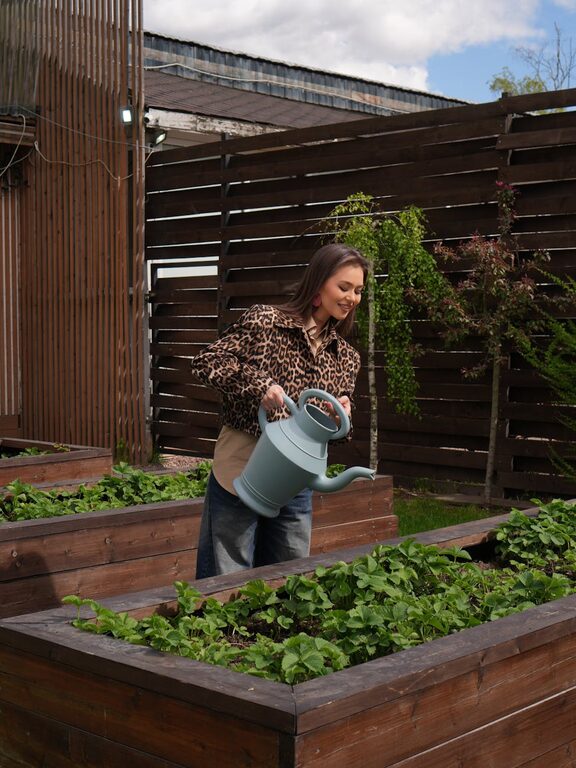
Creating a sustainable garden at home is a rewarding way to support the environment while enjoying fresh plants and greenery. A sustainable garden minimises waste, conserves resources, and promotes biodiversity, making your outdoor space both beautiful and eco-friendly. Whether you have a large garden or a small balcony, these tips will help you build a garden that is kind to the planet and easy to maintain.
Understanding Sustainable Gardening
Sustainable gardening involves practices that reduce environmental impact. It includes using fewer chemicals, saving water, encouraging wildlife, and improving soil health. The goal is to create a balanced ecosystem where plants, insects, and other creatures can thrive naturally.
1. Choose Native and Well-Adapted Plants
Opt for plants that are native to your region or well adapted to local climate and soil. Native plants require less water, fertiliser, and pest control. They also provide food and shelter for local wildlife, including pollinators like bees and butterflies.
Why Native Plants Matter
– Lower water usage
– Better resistance to pests and diseases
– Support for native insects and birds
You can find lists of native plants from local wildlife trusts or gardening centres. For instance, in the UK, examples include foxglove, bluebells, and primroses.
2. Improve Soil Health Naturally
Healthy soil is the foundation of a sustainable garden. Good soil retains water, supports plant roots, and hosts beneficial microorganisms.
Simple Ways to Boost Soil Quality
– Add organic matter such as compost, leaf mould, or well-rotted manure.
– Avoid synthetic fertilisers which can harm soil life.
– Use mulch to protect soil from erosion and retain moisture.
– Practice crop rotation in vegetable patches to maintain soil nutrients.
You can create your own compost from kitchen scraps and garden waste, reducing landfill contributions while enriching your garden soil.
3. Save Water with Smart Techniques
Water is precious, so conserving it in your garden is key.
Effective Ways to Use Less Water
– Water plants early in the morning or late in the evening to reduce evaporation.
– Use rainwater harvesting systems like barrels to collect runoff.
– Choose drought-tolerant plants for dry parts of the garden.
– Group plants with similar water needs together to avoid overwatering.
– Use drip irrigation systems to deliver water directly to roots.
These methods reduce water bills and help during dry spells, making your garden more drought-resistant.
4. Encourage Wildlife and Pollinators
A healthy garden supports biodiversity, which benefits plant growth and pest control.
How to Make Your Garden Friendly to Wildlife
– Plant flowers that attract pollinators such as lavender, clover, and sunflowers.
– Provide water sources like shallow birdbaths or ponds.
– Create habitats with features like log piles, insect hotels, and hedgerows.
– Avoid chemicals that harm beneficial insects and birds.
Welcoming wildlife creates a vibrant garden ecosystem and connects you with nature.
5. Use Eco-Friendly Garden Materials
Sustainability extends beyond plants and soil to what you use in your garden.
Sustainable Material Choices
– Choose natural or recycled materials for paths, pots and garden furniture.
– Avoid plastic where possible; opt for wooden or metal alternatives.
– Buy tools and equipment from companies with environmentally friendly practices.
– Consider second-hand or repurposed items.
Reducing plastic and waste contributes to a greener garden overall.
6. Practice Integrated Pest Management (IPM)
Instead of relying solely on pesticides, use integrated strategies to manage pests.
IPM Techniques Include:
– Encouraging natural predators like ladybirds and spiders.
– Using companion planting to deter pests.
– Applying organic treatments only when necessary.
– Regularly inspecting plants to spot problems early.
This approach keeps your garden healthy without harming the environment.
7. Grow Your Own Food Sustainably
Growing vegetables, herbs and fruits at home reduces food miles and packaging waste.
Tips for Sustainable Food Growing
– Use organic seeds and avoid chemically treated ones.
– Rotate crops to reduce disease build-up.
– Mulch vegetable beds to retain moisture and suppress weeds.
– Save seeds from healthy plants for future planting.
Even with limited space, you can cultivate herbs on a windowsill or container-grown tomatoes on a balcony.
Final Thoughts
Creating a sustainable garden is a journey that benefits you and the planet. By choosing native plants, improving soil, saving water, supporting wildlife, and selecting eco-friendly materials, you make a positive impact. Each small step leads to a greener, healthier garden that you can enjoy year-round. Start today and watch your sustainable garden flourish naturally!
Happy gardening!