Tips for Creating a Productive Home Office Space
Creating a productive home office space can make a significant difference to your workday, whether you freelance, work remotely, or just need a quiet spot for occasional tasks. The right environment improves focus, reduces stress, and helps separate work from home life. Here are some tips to help you design a home office that maximises both comfort and productivity.
Choose the Right Location
The foundation of a productive home office is its location. Ideally, choose a quiet area away from distractions like the television or busy family rooms. If space is limited, consider:
– A corner of your living room or bedroom
– A converted dining nook
– A spare room that can be dedicated to work
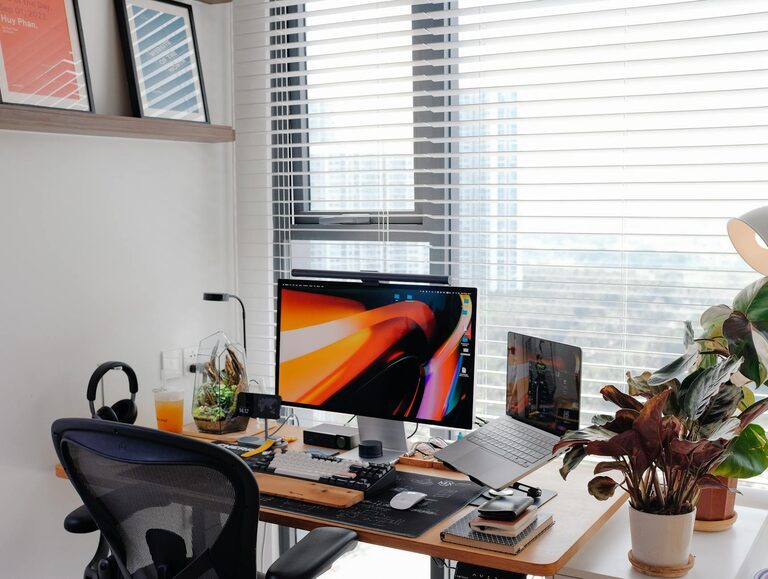
Natural light is a big bonus. Set up near a window if possible, as daylight improves mood and reduces eye strain.
Invest in Comfortable and Ergonomic Furniture
Spending long hours at your desk means comfort is key. Investing in ergonomic furniture helps prevent aches and strains.
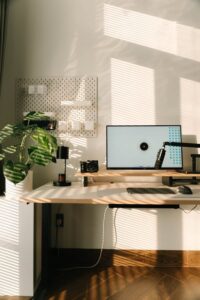
– Desk: Choose one that fits your space with sufficient surface area for your computer, paperwork, and other tools.
– Chair: An adjustable office chair with good lumbar support improves posture.
– Accessories: Consider a separate keyboard and mouse to create an ergonomic setup, especially if you use a laptop.
A standing desk or sit-stand converter can also be valuable, enabling you to change positions throughout the day.
Organise for Efficiency
Clutter can hamper concentration. Organising your workspace encourages efficiency and helps you find what you need quickly.
– Use shelves, filing cabinets or storage boxes to keep documents organised.
– Desk organisers can store pens, notebooks and other small items neatly.
– Keep cables tidy with clips or cable management sleeves.
Try to maintain a clear workspace by only having essential items on your desk.
Set Up Proper Lighting
Adequate lighting reduces eye strain and keeps you alert. Aim for a mix of natural and artificial light.
– Position your desk near a window for the advantages of daylight.
– Use a good quality desk lamp to illuminate your work area in the evenings.
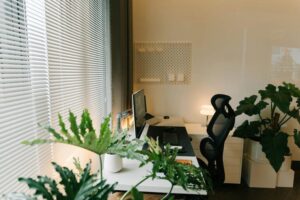
– Avoid glare on screens by adjusting blinds or arranging your monitor perpendicular to windows.
Soft, warm light is ideal for evenings; bright, white light helps during daytime hours.
Personalise Your Space
Adding personal touches makes your home office feel inviting and motivates you to spend time there.
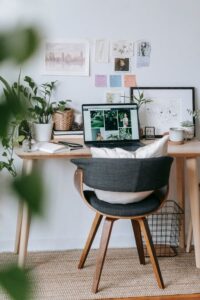
– Display photos, artwork or plants that make you smile.
– Choose colours that energise or calm you—soft blues, greens or warm neutrals work well.
– Use a comfortable rug or cushions for added warmth.
Personalisation should inspire you without cluttering or distracting.
Minimise Distractions
Stay focused by minimising interruptions.
– Use noise-cancelling headphones or play background music if helpful.
– Communicate your work hours clearly to family members or housemates.
– Disable unnecessary notifications on your devices.
If possible, use signage on the door to indicate when you should not be disturbed.
Plan Breaks and Movement
A productive workspace also supports your wellbeing.
– Schedule short breaks to stretch and rest your eyes.
– Keep a water bottle handy to stay hydrated.
– Use breaks to step outside or move around indoors.
Movement helps maintain energy levels and prevents stiffness caused by prolonged sitting.
Utilise Technology Wisely
Leverage technology that makes your work easier and more organised.
– Use apps for task management or time tracking.
– Ensure your internet connection is reliable.
– Set up printers and other devices within easy reach.
Keep software and hardware updated to avoid technical interruptions.
Maintain Work-Life Balance
Creating boundaries between work and home life is easier with a dedicated office space.
– Avoid working from your bed or sofa.
– At the end of the day, clear and tidy your workspace.
– Shut down devices to signal the end of work time.
This routine helps your brain switch off and relax after working hours.
—
Creating a productive home office is about blending functionality with comfort. Taking time to design a space that suits your needs will enhance your focus and enjoyment, making workdays smoother and more rewarding. By following these tips, you can turn any corner of your home into an efficient and pleasant place to work.