How to Create a Productive and Comfortable Home Office Space
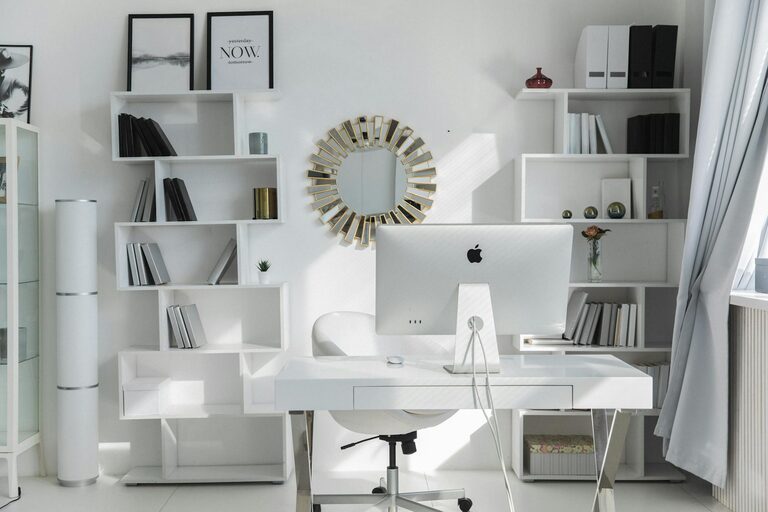
Creating a productive home office space is more important than ever as many people continue to work from home. A well-designed workspace not only helps you stay organised but also improves your focus and motivation. Whether you have a dedicated room or just a small corner in your home, the following tips will guide you in setting up a comfortable and efficient home office.
Choose the Right Location
Selecting the best spot for your home office is the first step:
– Quiet and Private: Pick a place with minimal distractions, away from noisy areas like the living room or kitchen.
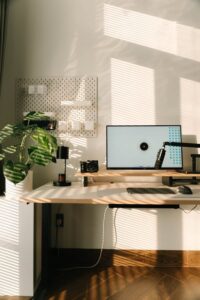
– Natural Light: Work near a window if possible to take advantage of natural daylight, which can boost mood and reduce eye strain.
– Ventilation: Fresh air is essential, so ensure your space can be aired regularly.
If space is limited, consider using room dividers or screens to create a separate work zone.
Invest in Ergonomic Furniture
Comfort is key to maintaining productivity and preventing physical discomfort:
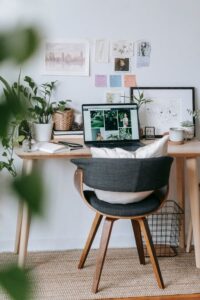
– Ergonomic Chair: Choose a chair that supports your lower back, with adjustable height and armrests.
– Desk Height: Your desk should align with your elbows when your arms are bent at 90 degrees.
– Foot Support: Use a footrest if your feet don’t comfortably reach the floor.
An ergonomic setup helps reduce strain on your neck, back, and wrists during long hours.
Declutter and Organise
A tidy workspace aids concentration and efficiency:
– Storage Solutions: Use shelves, filing cabinets, or drawer organisers to keep documents and supplies in order.
– Minimalist Desk: Keep only essential items on your desk to avoid distractions.
– Cable Management: Use clips or sleeves to organise cables and keep your desk looking neat.
Regularly clean and reorganise your space to prevent clutter build-up.
Optimise Lighting
Proper lighting reduces eye fatigue and creates a pleasant environment:
– Natural vs Artificial: Combine natural light with adjustable lighting. Desk lamps with warm or neutral tones are ideal.
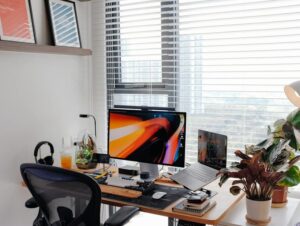
– Avoid Glare: Position screens so that windows or bright lights don’t cause glare.
– Task Lighting: Use focused lighting for specific tasks like reading or writing.
Good lighting enhances both comfort and productivity.
Minimise Distractions
Creating boundaries between work and home life is essential:
– Set Boundaries: Let family or housemates know your working hours to minimise interruptions.
– Use Headphones: Noise-cancelling headphones can help block out background noise.
– Manage Notifications: Turn off non-essential notifications on your devices during work hours.
These steps help maintain focus and create a professional atmosphere.
Personalise Your Space
While keeping it professional, adding personal touches can boost motivation:
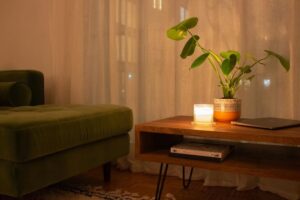
– Plants: Adding greenery improves air quality and brings a calming effect.
– Art or Photos: Display artwork or photos that inspire you.
– Comfort Items: A cozy cushion or a favourite mug can make your space inviting.
A personalised office feels more enjoyable to work in and helps sustain energy.
Utilise Technology Wisely
The right tools can streamline your work:
– Reliable Equipment: Invest in a good-quality computer, monitor, and internet connection.
– Organisational Apps: Use apps for task management, scheduling, and note-taking.
– Backup Solutions: Regularly back up your work to cloud storage to prevent data loss.
Stay updated with technology trends that enhance remote work.
Create a Routine and Stick to It
Establishing a work routine improves consistency:
– Designated Hours: Set clear starting and finishing times for your workday.
– Breaks: Schedule regular breaks to move, stretch, and refresh your mind.
– Workspace Rituals: Start your day by organising your desk or reviewing your goals.
A routine helps differentiate work time from relaxation.
Maintain Good Posture and Movement
Sitting for long periods can be harmful:
– Posture Checks: Keep your back straight, shoulders relaxed, and screen at eye level.
– Regular Movement: Stand, stretch, or walk briefly every hour to promote circulation.
– Exercise: Include simple exercises or stretches as part of your day.
Healthy habits improve wellbeing and focus.
Conclusion
Designing a productive home office space involves more than just placing a desk and chair. By carefully selecting your location, investing in ergonomic furniture, maintaining organisation, optimising lighting, and managing distractions, you can create a workspace that supports both comfort and efficiency. Personalising your office and establishing a routine further enhance your ability to focus and stay motivated. With these tips, you’ll be well on your way to a productive and enjoyable home working experience.